It is still debated among medical professionals if there is a proven link between drinking and catching a cold. Most likely, the cold that you have developed after drinking is due to the weakened state of your immune system after consuming alcohol. Most people who get hangovers can diagnose themselves based on their alcohol consumption and symptoms. If you feel sick after consuming alcohol, you most likely have a hangover. You may end up feeling more restless, anxious and irritable than before you drank. In one study, researchers found that about 75% of people who drank excessively the night before reported hangover symptoms.
The Impact on Metabolism
However, giving up alcohol right away isn’t sustainable or desirable for most people. After all, studies have shown that almost 50% of adults wish to reduce their intake without giving up alcohol altogether. Additionally, research has shown that alcohol may alter the composition of helpful microorganisms in your gut. These organisms play a crucial role in your gut and immune system function. Because alcohol is a potent diuretic, it can quickly dehydrate you, leading to the characteristic symptoms of a hangover, including a throbbing headache. Research reviews have also listed alcohol as a culprit for triggering migraine attacks.
Recovery Ranger
The increased blood flow to the skin significantly enhances heat loss from the body, leading to a decrease in core body temperature. This is paradoxical because while the skin’s surface feels warmer, the body’s temperature drops. This process can put individuals at an increased risk of hypothermia, especially in cold environments. It’s fascinating, yet sobering, to realize how much my body was struggling to cope during my years of heavy drinking.
Get Help Quitting Alcohol at Renaissance Recovery
They may also discuss possible medications for their reactions, such as antihistamines. Research shows that older females are more sensitive than males to the effects of alcohol. As a person ages, certain health conditions or medications may mean they have different reactions to alcohol than they previously did. This is not an official medical diagnosis nor is it medical advice. If you have any questions or concerns, share your results with your doctor. If you or someone you know is experiencing symptoms of DTs, get to a hospital ASAP.
Alcohol can have a notable effect on blood sugar levels, particularly for those with diabetes. If you have recently made the courageous decision to stop drinking alcohol, you may be one of the unlucky who experiences unexpected fatigue. In this guide, we will go over why you might be tired after quitting drinking–and if you are about to work with your doctor to end your addiction–how to be prepared for this phase of recovery.
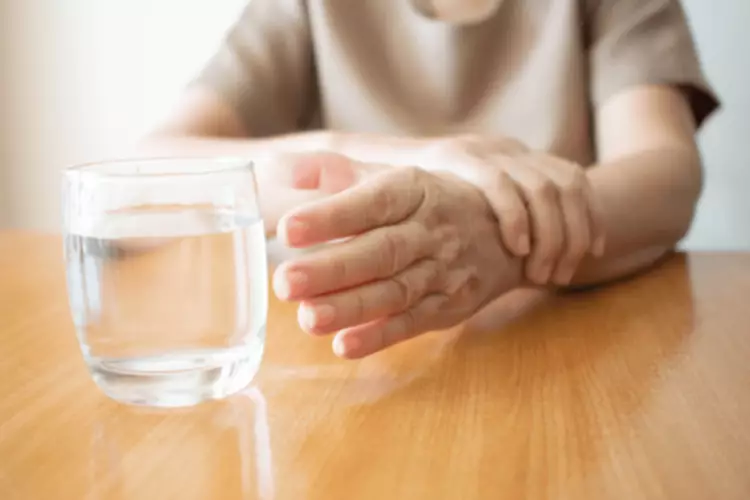
Understanding the causes and treatments of hangover shakes is essential for alleviating discomfort and promoting recovery. People who drink heavily or regularly may have night sweats several hours or days after consuming alcohol. Night sweats are a common symptom of alcohol withdrawal, which often affects people with alcohol why am i cold after drinking alcohol use disorder (AUD). One of the most common signs of alcohol intolerance is reddening of the face, which happens when “people are missing a key enzyme needed to break down alcohol,” Dr. Elliott says. “This results in flushing of the face, and feeling the symptoms of alcohol intoxication with lower amounts of it.” It is thought that acute alcohol consumption can cause decreased idea function and lower the body’s ability to retrain heat.
- For people whose bodies struggle to process alcohol, they can even last up to a week.
- Your healthcare provider will determine the next best steps for you and recommend testing if needed.
- These medications aren’t for everyone but could help lessen severe DT symptoms, such as hallucinations and aggression.
- The human body has intricate systems in place for regulating temperature.
- When the body becomes dependent on alcohol, sudden cessation or a significant reduction in alcohol consumption can lead to withdrawal symptoms, including tremors.
This, in turn, causes the body to shiver in order to generate heat. Additionally, alcohol drug addiction treatment can cause dehydration, which can also contribute to shivering. The body’s natural response to a rise in skin temperature is to initiate sweating, which helps cool the body through evaporation. However, when alcohol is involved, this sweating process can become excessive, leading to night sweats.